
English| EUR
Suggested for you
More currencies
Choose a language
Krakow ranks among Central Europe's safest cities for visitors, yet certain districts warrant heightened awareness after dark. Most safety concerns involve petty theft in crowded tourist zones rather than violent crime. Understanding the geography helps travelers move confidently through the city.
Quick answer
Krakow presents minimal danger to visitors, though Nowa Huta's eastern industrial blocks, the streets surrounding Dworzec Główny station after 22:00, and Kazimierz alleyways south of Miodowa warrant extra attention. Petty theft concentrates in Old Town's Rynek Główny during peak season, while poorly lit side streets near Planty Park see occasional pickpocketing. Daylight hours between 09:00 and 17:00 offer the safest window for exploring unfamiliar neighborhoods.
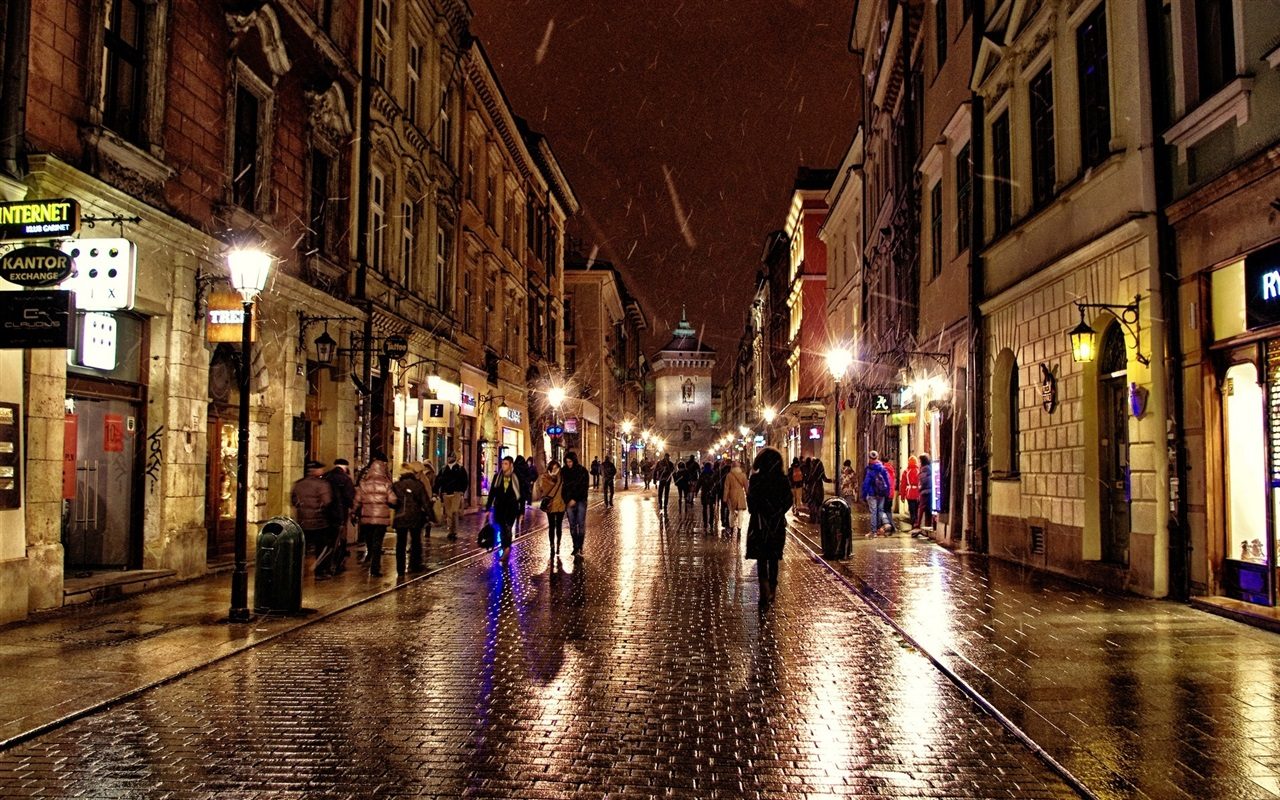
Poland's strictest public conduct laws keep street crime rates below Western European averages, yet Krakow's rapid tourism growth has created predictable friction zones. The pedestrian corridors linking Floriańska Gate to Cloth Hall see the highest concentration of distraction theft—travelers checking phones near restaurant patios become easy targets for bag-swipers working in pairs. Nova Huta's concrete housing estates carry a post-industrial reputation that outweighs current reality; violent incidents remain rare, but the district's poor street lighting and lack of evening foot traffic create discomfort rather than genuine danger. The authentic risk lies in disorientation—Solidarności Avenue's repetitive apartment blocks confuse first-time visitors attempting to walk back to central districts after dark. Tram routes 4 and 10 provide well-lit alternatives that bypass isolated stretches. The blocks immediately west and south of the main railway station form Krakow's genuine caution zone after nightfall. Unregulated taxi drivers cluster near platform exits, unlicensed money changers operate from doorways along Pawia Street, and the 24-hour convenience stores attract groups whose presence intimidates solo travelers. The underpass connecting Dworzec Główny to the Galeria Krakowska shopping center remains supervised and lit, offering a safer pedestrian route than surface streets between 22:00 and 06:00. Kazimierz's transformation from neglected Jewish quarter to nightlife hub left safety infrastructure lagging behind bar density. Szeroka Square and the northern section near Wawel Castle maintain steady evening crowds, but the narrow lanes south toward Vistula Boulevard empty quickly after midnight. The absence of CCTV cameras on Józefa and Ciemna streets makes them prime territory for phone theft from intoxicated tourists walking alone. Riverside paths along Bulwar Wołyński lack emergency call boxes—joggers and cyclists use them freely during daylight, but the park's isolation after sunset creates unnecessary risk for visitors unfamiliar with exit points.
“The absence of violent crime does not eliminate the need for situational awareness in crowded tourist zones.”
Visitors often misjudge which neighborhoods warrant caution or fall for common scams targeting tourists. Understanding where to exercise increased vigilance helps you navigate Krakow safely.
Walking alone through Nowa Huta after dark without local knowledge
Stick to well-lit main streets if visiting this district at night, or join a guided tour that includes evening transport. The area is generally safe during daylight hours.
Accepting unsolicited help from strangers at the train station
Politely decline offers to carry bags or find accommodation—legitimate services operate from marked desks inside Kraków Główny station.
Leaving the Old Town perimeter without checking neighborhood reputations first
Research specific districts before exploring; areas like Kazimierz and Podgórze are visitor-friendly, while industrial outskirts may lack infrastructure and lighting.
Flashing expensive cameras or phones in crowded tourist zones
Pickpockets work Rynek Główny and Cloth Hall during peak hours—keep valuables secured and maintain awareness in dense crowds.
Trusting unofficial currency exchangers offering rates far above posted office rates
Use kantors (exchange offices) displaying clear rates, or withdraw from ATMs—street dealers run scams that leave tourists with worthless notes or short-changed.
The best arrival window is 09:00–17:00, as daylight offers better visibility and safety for navigating unfamiliar districts. Exploring during these hours ensures you remain in well-lit, active areas while maintaining clear orientation.
Mild temperatures (10–18°C). Ideal for walking comfortably.
Warm, long days (20–25°C). Use daylight for navigation.
Cooler, crisp air (8–15°C). Provides clearer, quiet streets.
—; Navigate unfamiliar urban zones during high-visibility daylight hours.
Verdict: The best arrival window is 09:00–17:00, particularly during the shoulder months of April or October to balance visibility with manageable crowd levels.
Navigating Krakow safely involves utilizing the city's extensive public transport network rather than walking through unfamiliar peripheral districts after dark. The MPK Krakow tram and bus systems provide reliable coverage across the city, including areas requiring higher vigilance.
Line 3 or 24 to Plac Bohaterów Getta
Line 124 or 424 to Rondo Grzegórzeckie
Official licensed taxi to your specific destination
Prioritize licensed taxi services or rideshare applications when traveling at night or leaving areas noted for higher caution. Aim to travel between 09:00–17:00 when daylight ensures better visibility for navigating to your accommodation.
Navigating less familiar districts in Krakow requires situational awareness and sensible precautions. Following basic conduct rules reduces risk and helps you move through the city confidently.
Krakow maintains a reputation as one of the safer major cities in Europe, with crime statistics consistently reflecting low rates of violent incidents. Understanding the context behind city-wide safety data helps visitors navigate the urban landscape with greater confidence.
Krakow consistently secures a high position in international safety indices, often ranking among the top European cities for personal safety. Statistics show that the vast majority of crimes reported are petty thefts in high-traffic tourist areas.
With a population exceeding 800,000, Krakow manages public safety through a dense network of police presence and urban monitoring. Police reports indicate that incidents are rarely directed at visitors and typically occur in isolated nocturnal settings.
Krakow is divided into 18 administrative districts, each with its own demographic profile and safety characteristics. Data from local authorities suggests that central districts have higher recorded incidents due to sheer foot traffic rather than higher danger levels.
Key public spaces and transport hubs are monitored by extensive CCTV systems to deter criminal activity. These systems are managed by city authorities to ensure rapid responses to any security concerns.
Violent crime remains statistically rare in Krakow compared to other metropolitan centers of similar size in the European Union. Most local police interventions relate to public order offenses rather than serious physical threats to the public.
The historical development of Krakow has concentrated economic and cultural activity in the city center. This historical density means that well-lit, populated routes are the standard, minimizing the likelihood of encountering deserted or unsafe areas.
Everything you need to know about areas to avoid in krakow
While Krakow is widely considered safe, visitors often ask about areas to avoid in krakow to ensure a smooth trip. Most central districts are welcoming, but standard urban precautions remain wise.
Krakow is statistically one of the safer European cities for visitors. Staying informed about your surroundings is the best way to enjoy local Krakow landmarks without worry.
Some locals suggest exercising extra caution in parts of Nowa Huta or backstreets in Kazimierz late at night, which are common areas to avoid in krakow for inexperienced travelers. These places are not necessarily dangerous, but they are less monitored than the Main Market Square.
Yes, walking through the city center is generally safe at any hour. However, knowing the areas to avoid in krakow helps you maintain peace of mind while enjoying your stay.
Joining a guided food tour is a great way to discover the city with a knowledgeable local who can provide context on safe routes. These tours offer a deeper look at Krakow culinary culture beyond just the typical tourist path.
Public transport is reliable and safe, though it is always good to keep your belongings secure. Using official transport stops is safer than wandering through unfamiliar, dimly lit alleys.
The best arrival window is 09:00–17:00, as daylight offers better visibility and safety for navigating unfamiliar districts. This timing allows you to get comfortable with the city layout during peak hours.
There are no strictly 'forbidden' zones, but staying within well-populated areas is recommended. Researching common areas to avoid in krakow allows you to plan your itinerary around vibrant and active neighborhoods.